Bearing Selection for Water Pumps: Sealing and Load Adaptation of Deep Groove Ball Bearings
Deep groove ball bearings dominate water pump applications due to their simple structure and balanced performance. This guide covers sealing configuration selection and load adaptation strategies for reliable pump operation.
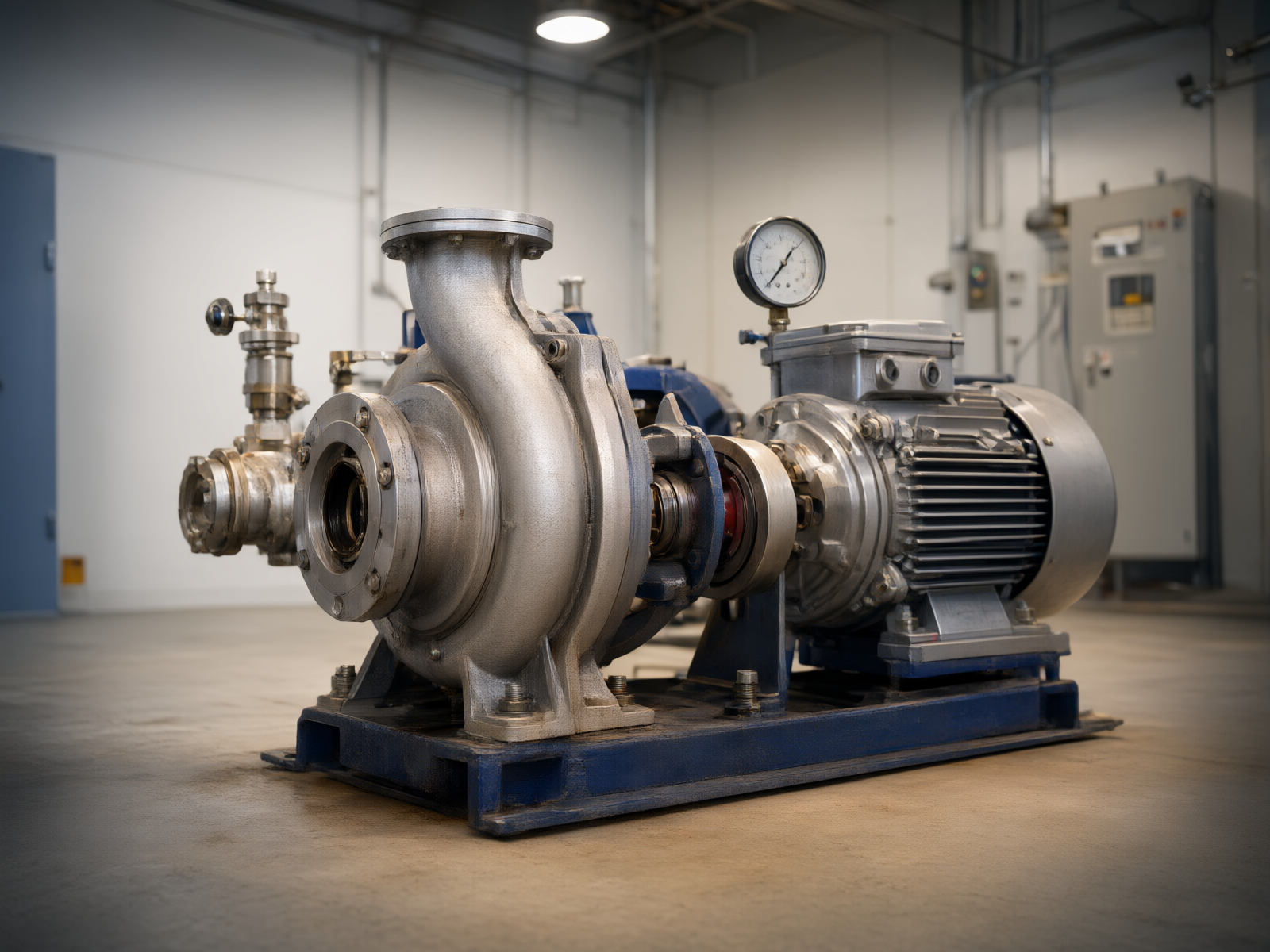
Water pumps are core equipment in industrial and commercial fluid transport systems. Bearings, as supporting elements in their rotating assemblies, directly determine operational stability and maintenance intervals. Improper selection leads to premature failure, seal leakage, or even complete shutdown. Among the bearing types commonly used in the pump industry, deep groove ball bearings dominate due to their simple structure and balanced overall performance. However, the matching of sealing configurations and load capacity is often underestimated.
Overview of Common Bearing Types in Water Pump Applications
The core characteristic of pump operating conditions is predominantly radial loads with a certain axial component, with speed ranges typically between 1500-3600 rpm. The commonly used bearing types include deep groove ball bearings, angular contact ball bearings, and cylindrical roller bearings.
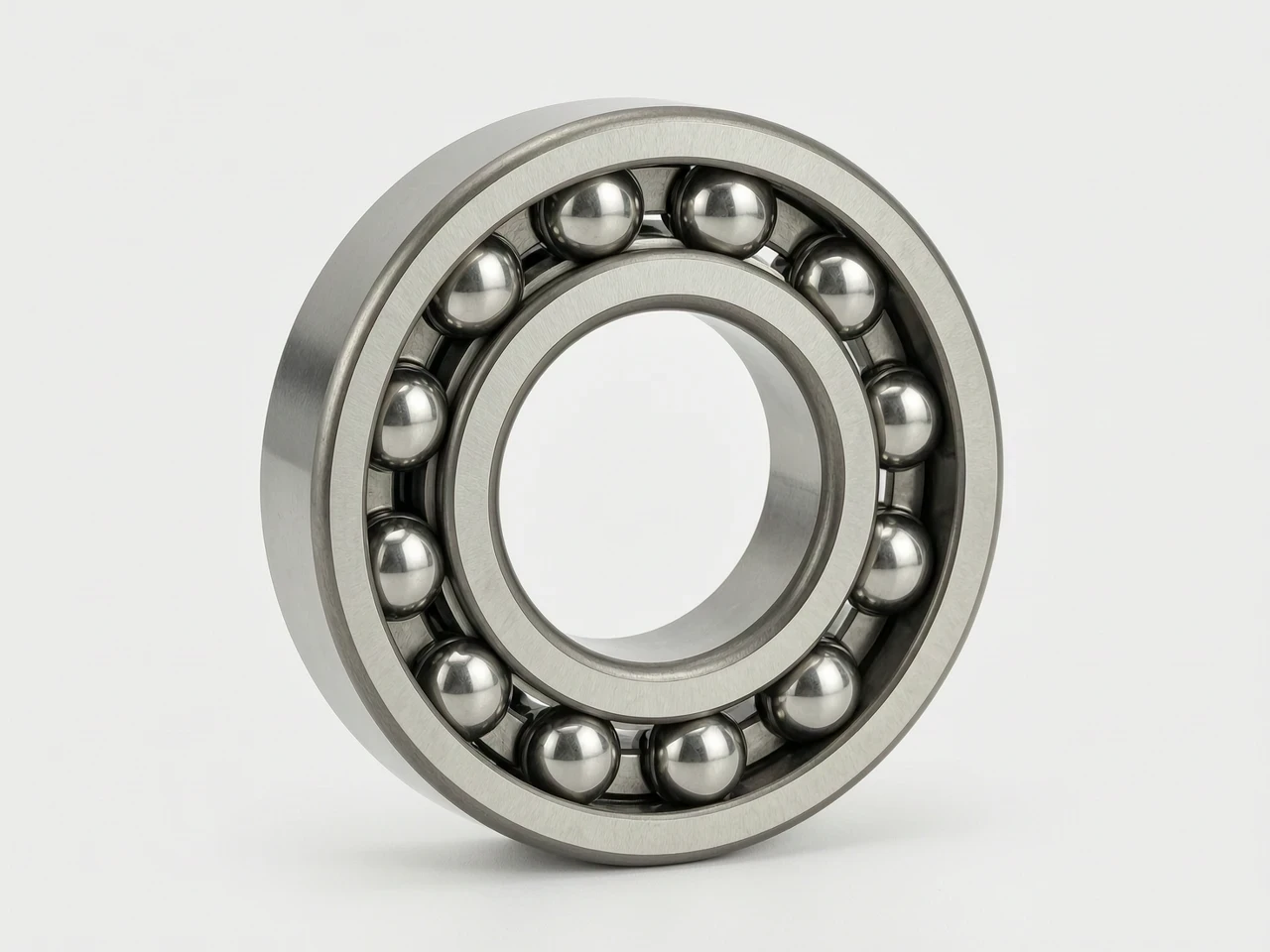
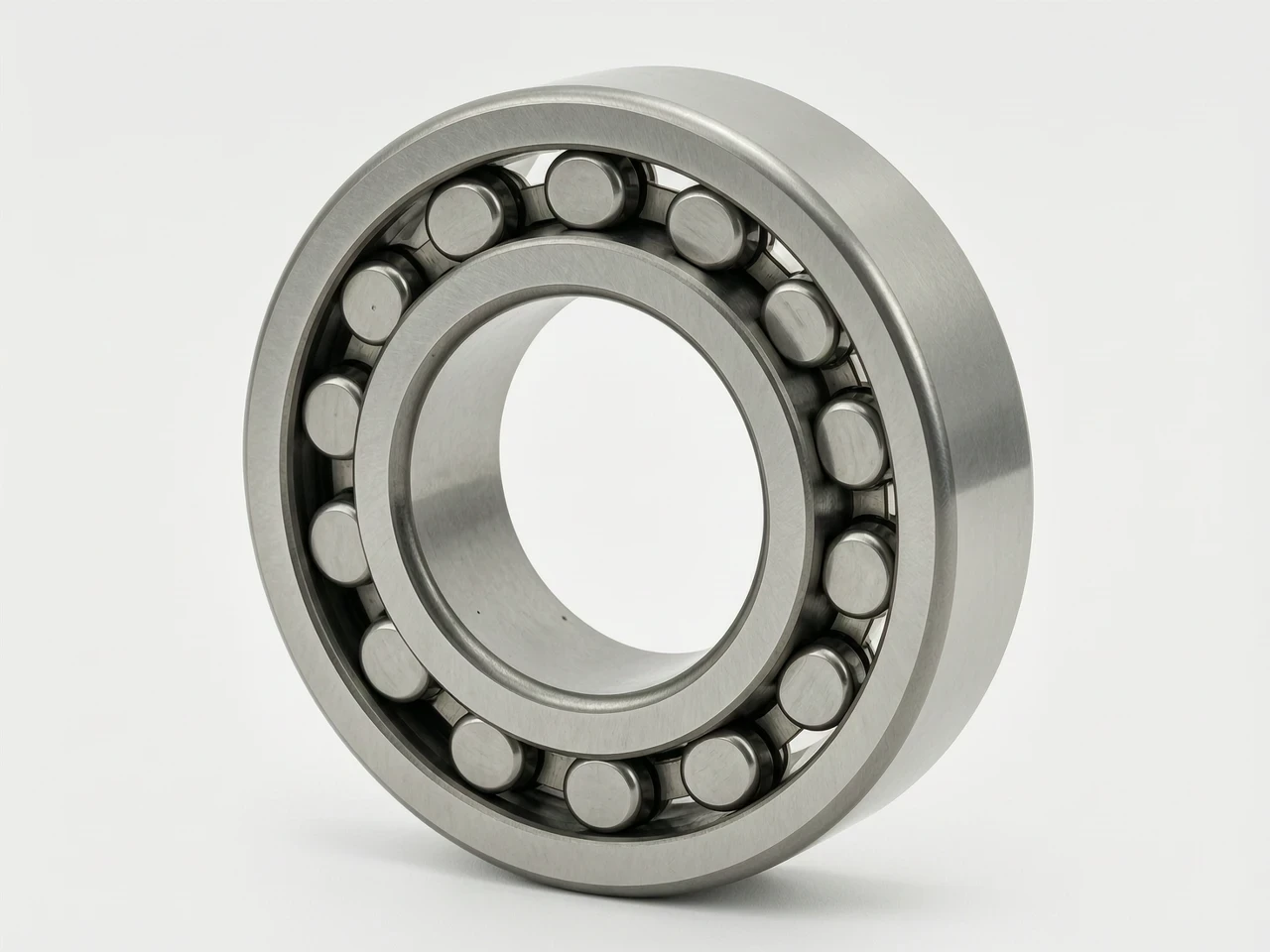
Deep Groove Ball Bearings feature raceway groove curvature radii slightly larger than the balls, enabling them to handle both radial and bidirectional axial loads with high limiting speeds. They are the preferred choice for clean water pumps, booster pumps, and circulation pumps. Angular contact ball bearings suit applications with higher axial load proportions, such as multistage pumps and high-pressure pumps, typically installed in pairs to accommodate unidirectional thrust. Cylindrical roller bearings offer outstanding radial load capacity and are commonly used in high-flow sewage pumps and industrial process pumps, but their axial load capability is limited, requiring additional thrust bearing arrangements.
Among our water pump industry clients, deep groove ball bearings account for over 70% of total usage, with this proportion even higher in commercial and light industrial applications. The reasons lie in their high standardization level, mature supply chains, and controllable overall costs.
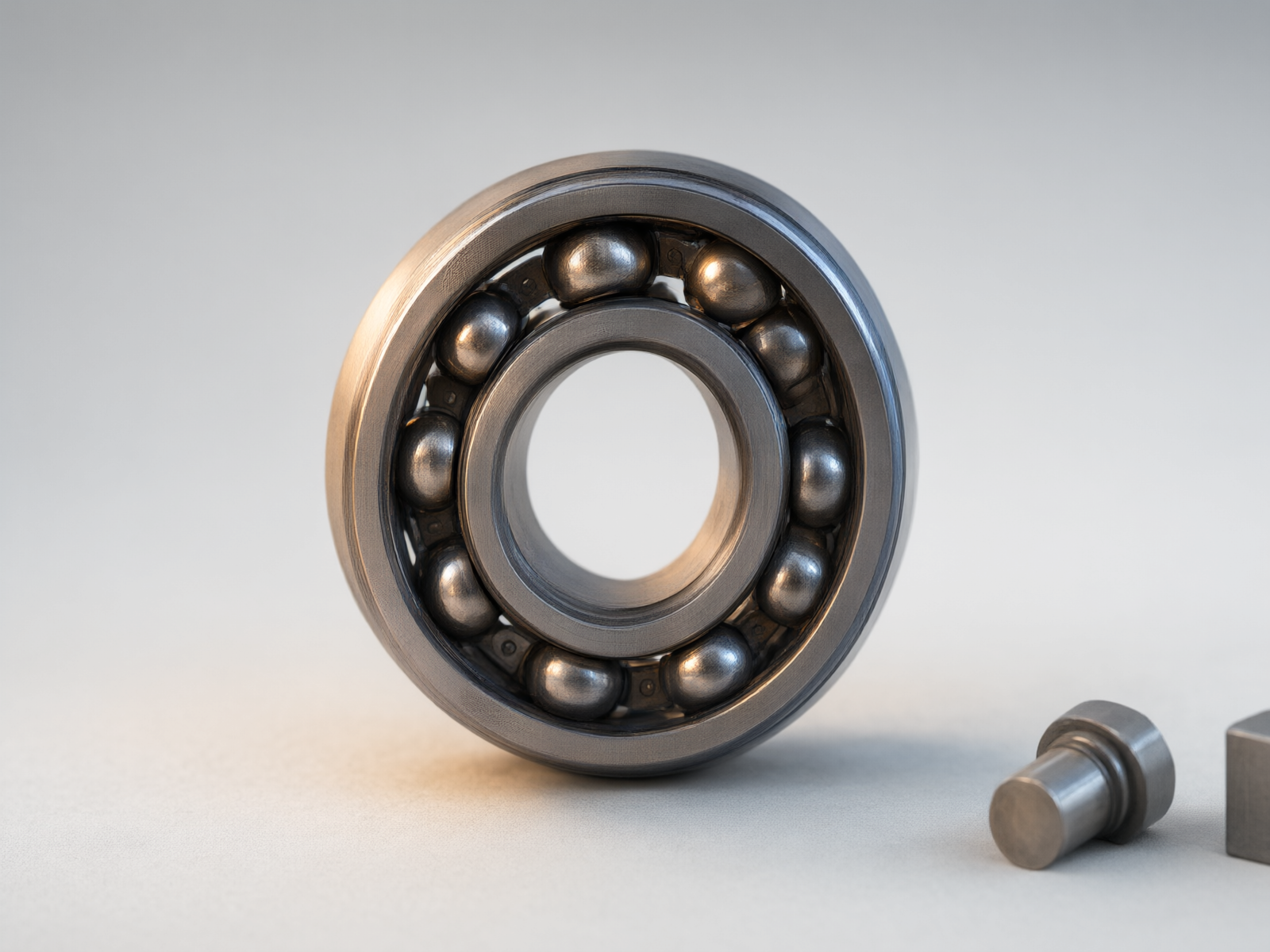
Why Deep Groove Ball Bearings Dominate Pump Applications
The advantages of deep groove ball bearings in pump applications can be understood from three dimensions.
First is structural adaptability. The contact between the inner and outer ring raceways and the balls in deep groove ball bearings is point contact, resulting in low friction coefficients (typically between 0.0015-0.002) and minimal temperature rise during operation. The continuous duty cycle of water pumps is sensitive to bearing heat generation, and low friction translates to lower energy consumption and more stable operating temperatures.
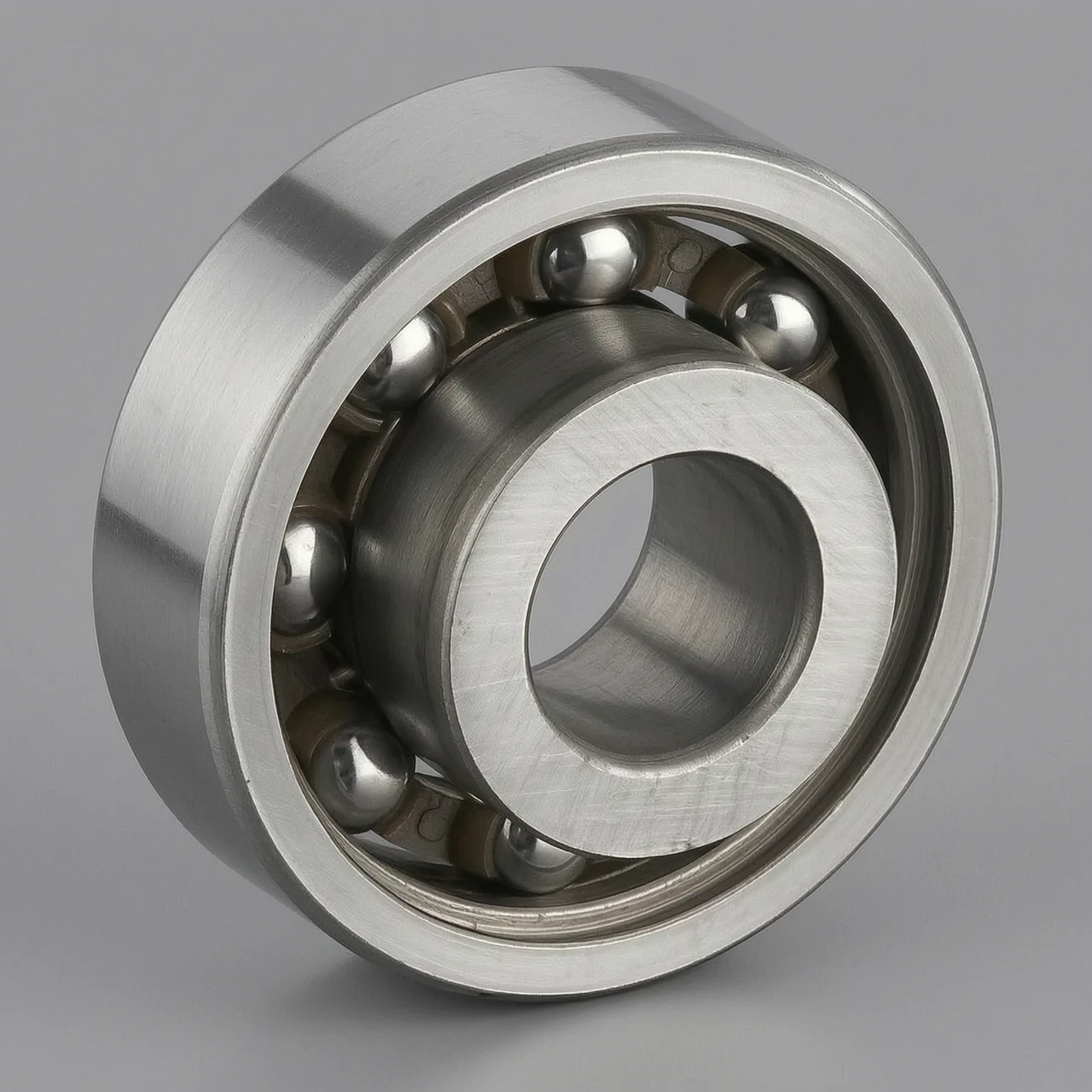
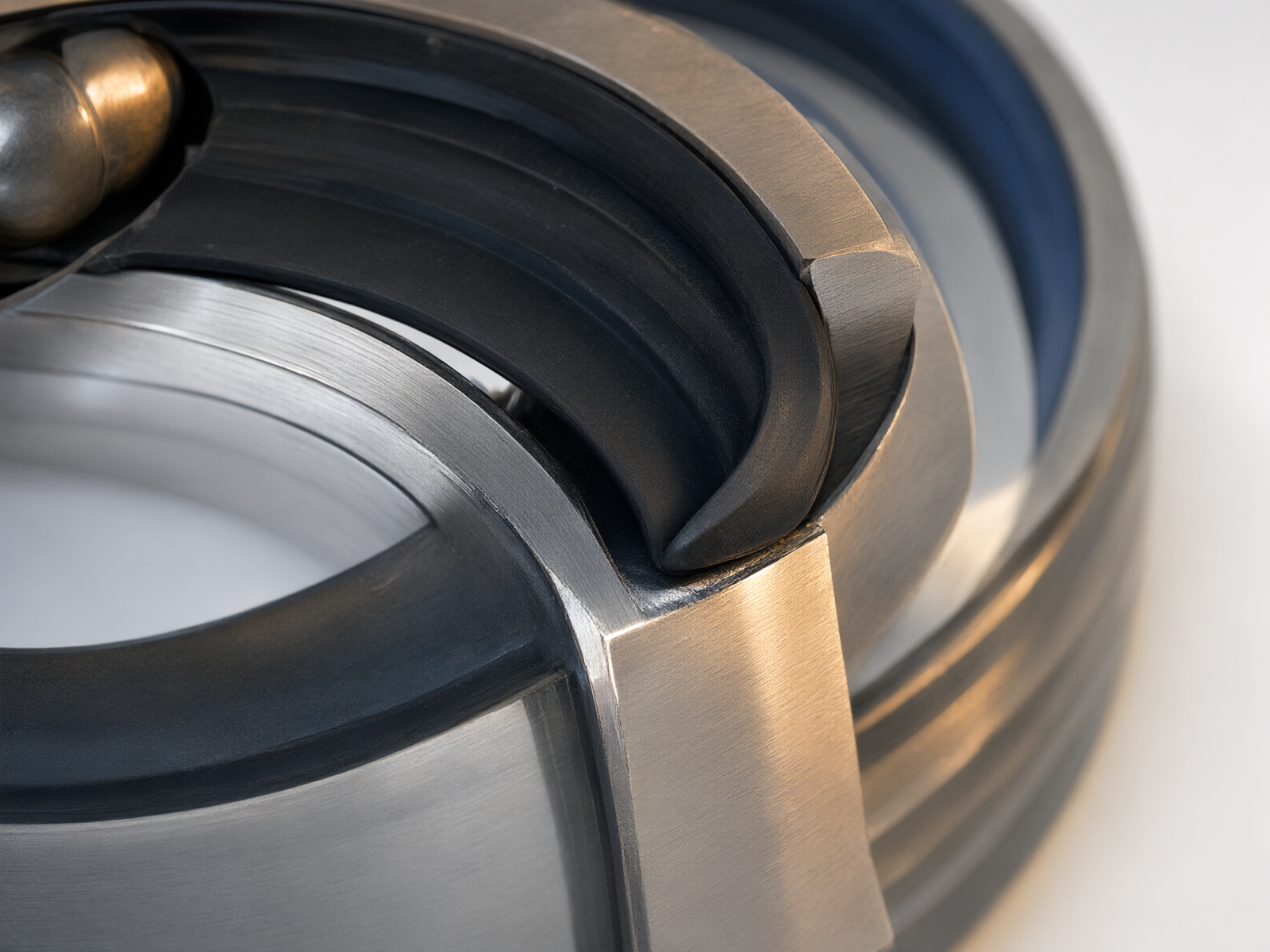
Second is sealing integration capability. Pump bearings must address challenges from moisture and contaminant ingress. Deep groove ball bearings feature mature sealing structures, configurable with non-contact metal shields (ZZ/2Z) or contact rubber seals (RS/2RS). Contact seal protection ratings can reach IP65, effectively blocking water mist and fine particles—a critical metric in pump environments.
Third is load coverage range. From micro pumps with 6mm bore to industrial circulation pumps with 60mm bore, deep groove ball bearings offer complete specification sequences, with dynamic load ratings covering hundreds to tens of thousands of Newtons. This specification continuity allows design engineers to complete selection within the same bearing series, reducing supply chain management complexity.
Sealing Selection: Core Consideration for Pump Operating Conditions
In pump bearing failure cases, lubricant degradation and contaminant ingress caused by poor sealing account for approximately 40%. Sealing type selection requires comprehensive judgment based on medium characteristics, environmental humidity, and maintenance cycles.
Open bearings (without seals) are only suitable for submerged pump designs completely immersed in liquid, or industrial pumps with complete external sealing systems. In the pump industry, the vast majority of application scenarios require bearings with integral sealing.
Single or double-sided metal shields (Z-type or ZZ-type) are non-contact seals with minimal clearance between the shield and inner ring (typically 0.1-0.3mm). Their advantages are extremely low friction torque and unrestricted limiting speeds, suitable for high-speed clean water pumps. However, protection ratings are limited—they can only block larger particles and cannot prevent water mist ingress.
Contact rubber seals (RS-type or 2RS-type) feature seal lips that fit tightly against the inner ring raceway, with protection ratings reaching IP65 or higher. These are the preferred choice for sewage pumps, chemical pumps, and high-humidity environments. The trade-off is approximately 30%-50% increase in friction torque and a corresponding 15%-20% reduction in limiting speed. During selection, it is necessary to verify whether the actual operating speed remains within the permissible range for sealed bearings.
For special operating conditions, such as chemical pumps transporting corrosive media, stainless steel deep groove ball bearings (such as 440C or 316 stainless steel) can be selected, paired with fluorine rubber seals, achieving dual protection against corrosion and sealing.
Load Adaptation: From Theoretical Calculation to Actual Operating Conditions
The bearing's rated load is the fundamental parameter for selection, but actual operating conditions are often more complex than theoretical calculations suggest. Load sources for pump bearings include impeller self-weight, hydraulic radial forces, start-stop impacts, and piping stresses.
The basic dynamic load rating C is the load a bearing can withstand at a basic rated life of 1 million revolutions, used to calculate L10 life (operating time at 90% reliability). The pump industry typically requires L10 life of no less than 20,000 hours. The corresponding calculation requires comprehensive consideration of equivalent dynamic load P (combined load including radial and axial components) and speed n. The formula is L10 = (C/P)^3 × 10^6 / (60n).
In practical selection, we recommend maintaining a 20%-30% load margin. The reason lies in uncertainties in pump operating conditions: dynamic balance changes after impeller wear, piping installation stresses, and impact loads from frequent start-stop cycles—factors difficult to quantify precisely in theoretical calculations.
Calculating equivalent dynamic load requires accurate determination of axial force components. Axial force in single-stage single-suction centrifugal pumps is typically small, and deep groove ball bearings can handle it independently. In multistage pumps or high-pressure pumps, axial force may reach 30%-50% of radial force, at which point it is necessary to evaluate the axial load limit of deep groove ball bearings or consider switching to angular contact ball bearings.
Another easily overlooked factor is lubrication. Deep groove ball bearings in pump applications typically use grease lubrication, with sealed bearings pre-filled with grease at the factory. In high-temperature conditions (medium temperature exceeding 80°C) or long maintenance cycle scenarios, it is necessary to confirm the grease temperature rating and replenishment intervals.
Conclusion
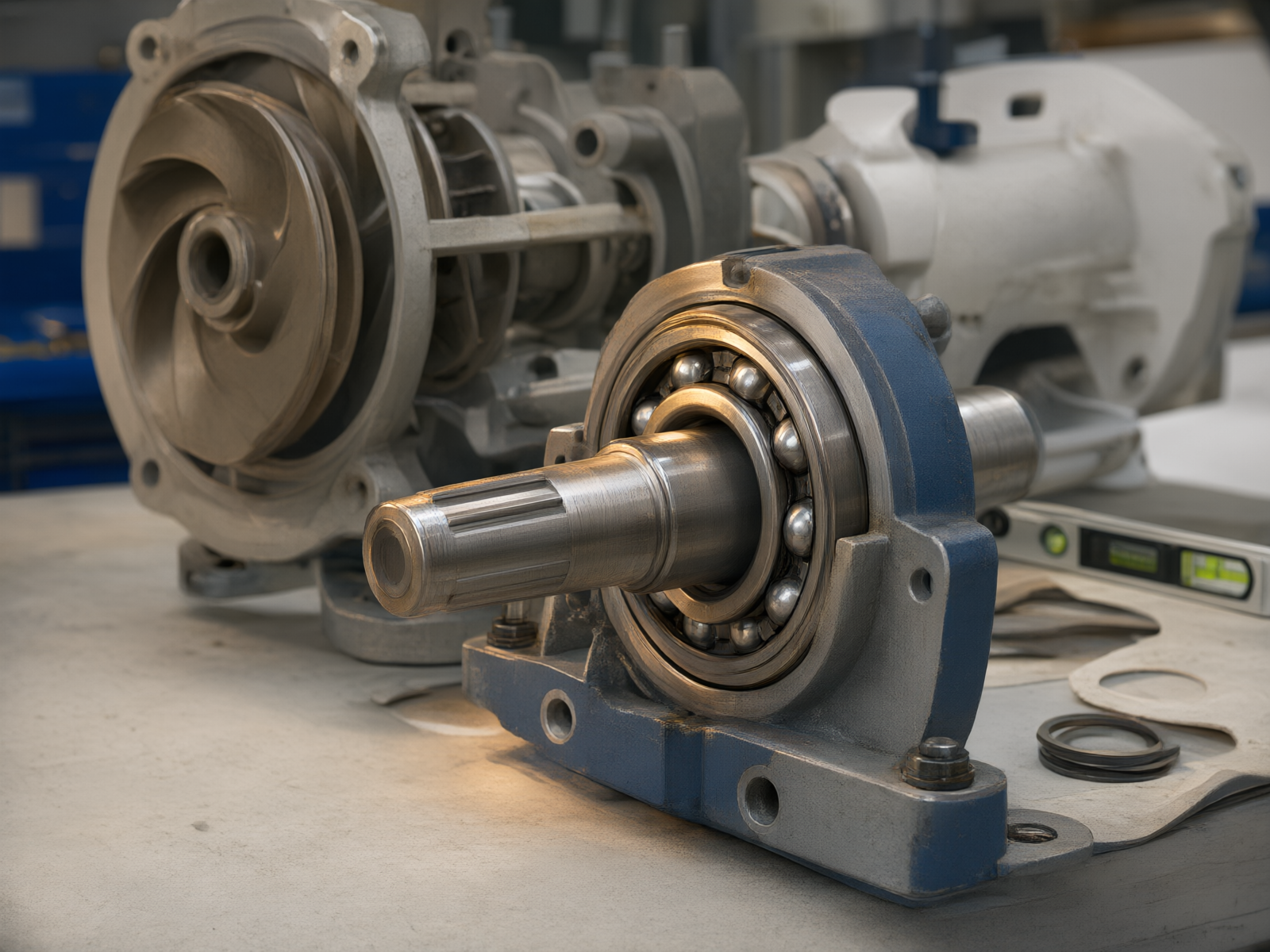
The core of pump bearing selection lies in matching operating condition characteristics. Deep groove ball bearings cover most pump industry requirements with their simple structure, mature sealing options, and complete specification ranges. Sealing configuration determines bearing survival capability in moist and contaminated environments, while load adaptation relates to operational life and reliability. Selection should proceed from actual operating conditions with reasonable margins to achieve balance between cost and performance.